

Home window tinting is a simple upgrade that can improve comfort, privacy, and energy savings in your home. Many homeowners choose window tinting home solutions to reduce heat, block sunlight, and create a more comfortable indoor space. Modern window tinting for homes can also help protect furniture, lower energy costs, and improve the look of your property.
Many people think window tint is only for cars. However, window tint for home use has become very popular across Canada. It offers practical benefits while keeping your home bright and welcoming. Different types of window films work for privacy, security, decoration, and heat control. Let’s explore the main benefits of home window tinting and why many homeowners now see it as a smart long-term investment.
Home Window Tinting
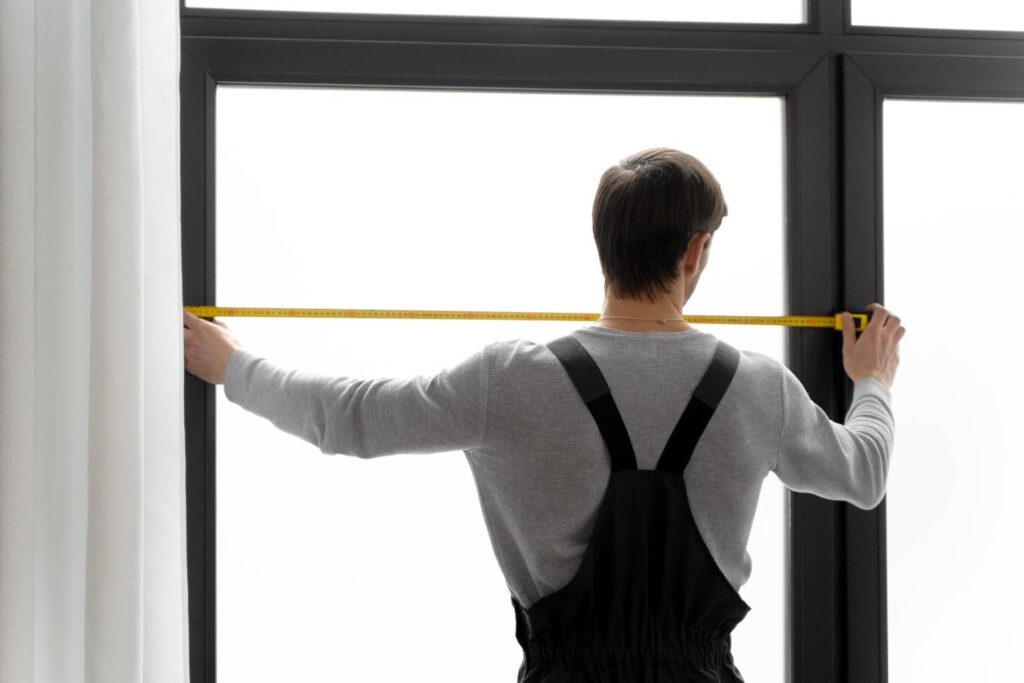
Home window tinting uses a thin film placed over glass windows. The film helps control sunlight, heat, glare, and privacy. Some films work to improve security, while others focus on energy efficiency or style. Many homeowners install window tinting to improve comfort without blocking natural light. A home window can still feel bright while reducing glare and heat from the sun.
Increased Energy Efficiency
One of the biggest benefits of window tinting is better energy efficiency. Windows often allow heat to enter during summer and escape during winter. This can increase energy costs throughout the year.
Window films help reduce heat gain during warm weather. They also help keep indoor temperatures more stable. This reduces pressure on heating and cooling systems.
By lowering the amount of heat entering the home, tinted window products can help reduce monthly bills. Many homeowners notice energy savings after installing quality window film. Control window film can also help improve comfort in rooms that receive direct sunlight during the day.
Blocks Harmful UV Rays
Sunlight can damage both your skin and your furniture over time. Harmful UV rays pass through untreated windows and slowly fade floors, curtains, furniture, and artwork.
Window tinting helps block harmful UV exposure. Many films can block up to 99 percent of harmful sunlight. This helps protect your family and keeps indoor items looking newer for longer. Reducing UV exposure is especially important in rooms with large windows or direct sunlight. Families with children or older adults may benefit from reducing UV risks inside the home.
Keeps Natural Light Inside
Many homeowners worry that tinted windows will make rooms too dark. Modern films are designed to reduce heat without removing natural light.
Window tinting for homes allows sunlight to enter while helping control indoor temperatures. Rooms can still feel open and bright during the day. This balance helps homeowners enjoy sunshine without dealing with strong glare or extra heat from the sun’s heat.
Improves Privacy
Privacy is another reason homeowners choose home window tinting. Certain films make it harder for people outside to see inside during daytime hours.
This is useful for bedrooms, bathrooms, and street-facing windows. You can enjoy privacy without fully covering windows with blinds or curtains. Reflective films are often used in homes that receive strong sunlight and need extra privacy during the day.
Reduces Glare
Bright sunlight can create glare on televisions, phones, and computer screens. This can make it difficult to work, relax, or watch TV comfortably.
Window tinting helps reduce glare while still keeping rooms bright. This creates a more comfortable space for work, entertainment, and daily activities. Many homeowners add window tinting to living rooms and home offices to improve screen visibility.
Decorative and Stylish Appearance
Home window tinting can also improve the appearance of a property. Decorative window film adds style while helping improve privacy and comfort.
Some films create a frosted appearance, while others add patterns or textures to the glass. Decorative window film works well in bathrooms, entryways, and office spaces inside the home. Modern tinted window designs can also improve curb appeal and give homes a cleaner, more modern appearance.
Protects Furniture and Flooring
Strong sunlight can slowly damage indoor materials. Hardwood floors, carpets, curtains, and furniture may fade over time.
Window tinting helps reduce this damage by lowering sunlight exposure. Reducing UV and heat exposure can help expensive furniture last longer. Many homeowners use home window tinting to protect rooms with large windows or direct afternoon sunlight.
Helps Lower Energy Costs
Cooling systems often work harder during hot weather. Large windows can increase indoor temperatures quickly, especially during summer. Window tinting reduces the amount of heat entering the home. This helps cooling systems work more efficiently.
Lower indoor temperatures often lead to lower energy costs. Many homeowners notice reduced electricity bills after installing window film. Energy savings may vary depending on the type of film, climate, and window placement.
Improves Safety and Security
Security film adds an extra layer of protection to windows. The film helps hold broken glass together during accidents, storms, or break-ins.
This added strength may reduce injuries caused by shattered glass. Security film can also make windows harder to break quickly. Some homeowners install security film for added peace of mind during severe weather conditions.
Different Types of Window Films
There are many types of window films available for residential use. Each film offers different benefits based on the homeowner’s needs.
Popular options include:
- Reflective films for heat and privacy
- Decorative window film for style
- Security film for added protection
- Control window film for comfort and temperature control
Choosing the right window film depends on your goals, budget, and window location.
Choosing the Right Window Film
Choosing the right window film is important for long-term comfort and performance. Some films focus more on privacy, while others improve energy efficiency or reduce glare.
Homeowners should think about:
- Amount of sunlight entering the room
- Privacy needs
- Desired appearance
- Heat control goals
- Budget
Professional installers can help recommend the best film for your home window setup.
Supports Energy Efficiency Goals
Many Canadian homeowners want eco-friendly upgrades that reduce energy use. Home window tinting supports these goals by lowering heating and cooling demands.
Reducing heat gain can help homes stay cooler during warmer months. Better insulation may also help retain warmth during winter. Improved energy efficiency benefits both the environment and household budgets.
Related Topic: Layered Window and Door Security: How Films, Hardware, and Smart Tech Work Together to Protect Your Property
Final Thoughts
Home window tinting offers many practical benefits for homeowners. It improves comfort, privacy, and energy savings while helping protect furniture and flooring.
Modern window tinting home solutions allow homeowners to enjoy natural light without dealing with excess heat or glare. Window tinting for homes can also improve security and reduce harmful UV exposure. Whether you want better comfort, lower energy costs, or improved privacy, home window tinting can be a smart upgrade for almost any property.
FAQs
Does home window tinting make rooms too dark?
No. Most modern window films still allow natural light to enter the room. They help reduce glare and heat without making spaces feel dark.
How long does window tinting for homes last?
High-quality window tinting for homes can last many years with proper care. Professional installation also helps the film stay smooth and durable.
Can window tinting help lower energy costs?
Yes. Home window tinting helps reduce heat gain from sunlight. This can improve energy efficiency and lower cooling costs during warmer months.
Is decorative window film good for privacy?
Yes. Decorative window film can improve privacy while adding style to your home. Many homeowners use it for bathrooms, offices, and front doors.